Advancing Emissions Detection and Monitoring Practices
Participants have worked hard to implement robust leak detection and repair (LDAR) programs within their organizations to find and fix unintentional emissions from equipment as soon as possible. In 2025, TEP redesigned its LDAR Environmental Performance Program to better align with current industry practices and fully capture the advancements companies have made to detect, monitor, and prevent leaks from occurring within their operations.

Since TEP’s start, participants have worked hard to implement robust leak detection and repair (LDAR) programs within their organizations to find and fix unintentional emissions from equipment as soon as possible.
Last year, TEP redesigned its LDAR Environmental Performance Program to better align with current industry practices and fully capture the advancements companies have made in the past eight years to detect, monitor, and prevent leaks from occurring within their operations.
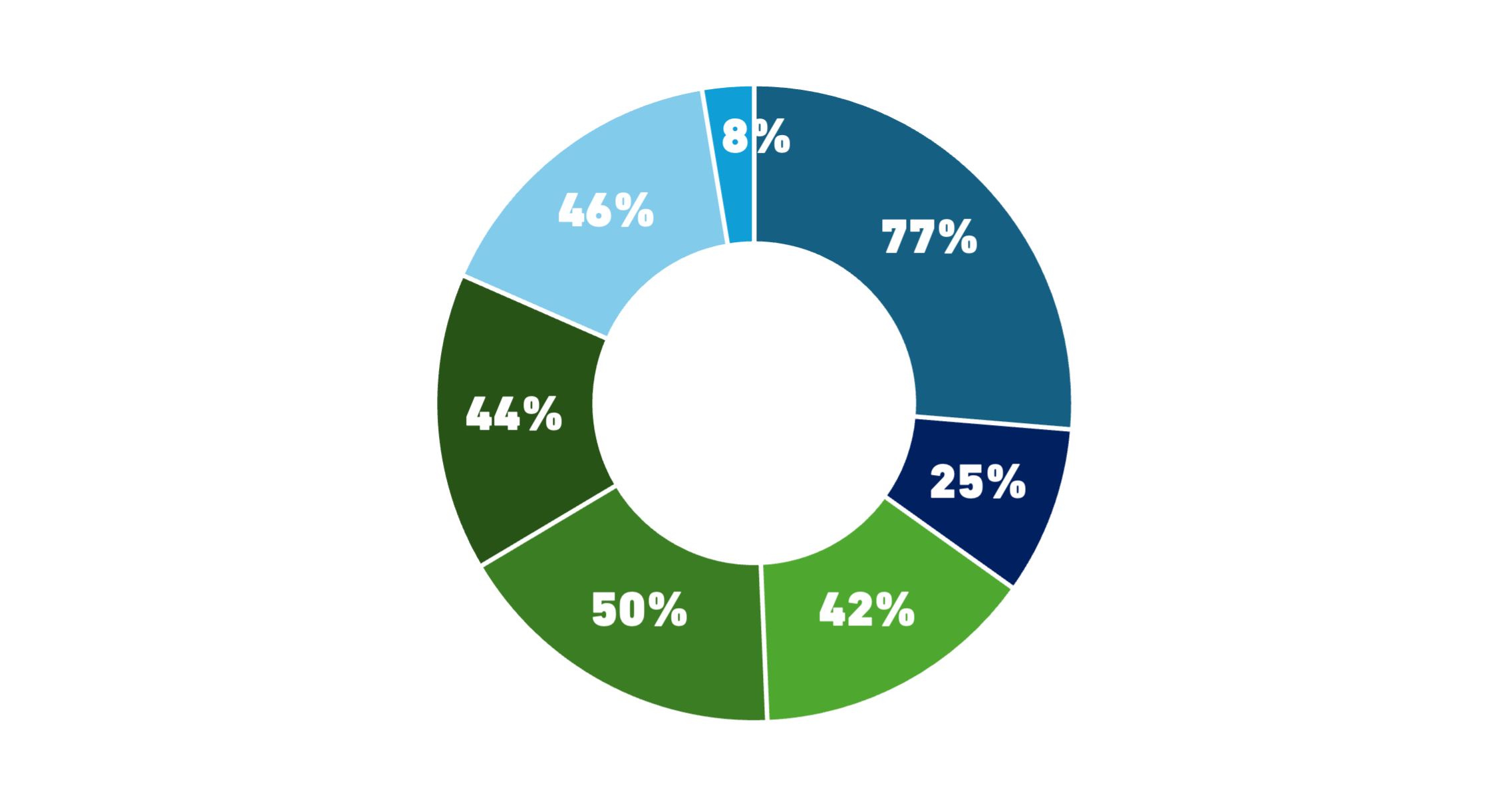
The updated performance program, included within this year’s annual reporting, asks participants to implement one or more LDAR program enhancements beyond regulatory requirements. LDAR program enhancements may include more frequent survey inspections than regulatorily required, using alternative monitoring technologies, setting a repair time that is more timely than regulatorily required, tracking and analyzing leak performance over time, and other activities implemented with the intent to find and fix leaks as fast as possible. (Figure 1)
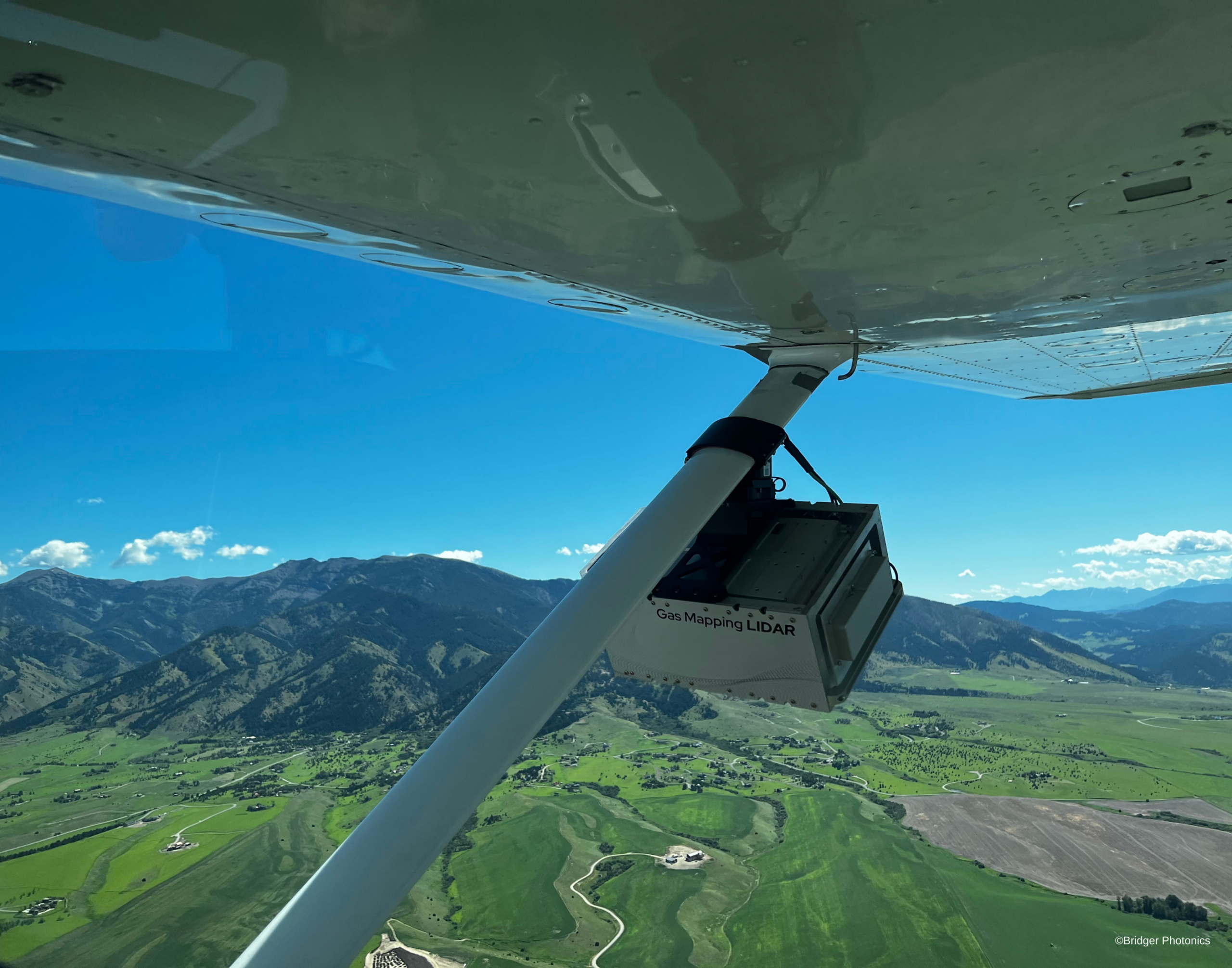
Detection technologies include laser absorption spectroscopy, optical gas imaging, and sensors. While continuing to implement established ground-based monitoring approaches, many TEP members are incorporating aerial-based monitoring approaches with drones, airplanes, and space-based monitoring through satellites. Additionally, companies are identifying ways that operational information can be used to predict, prevent, and report emissions sources more accurately.
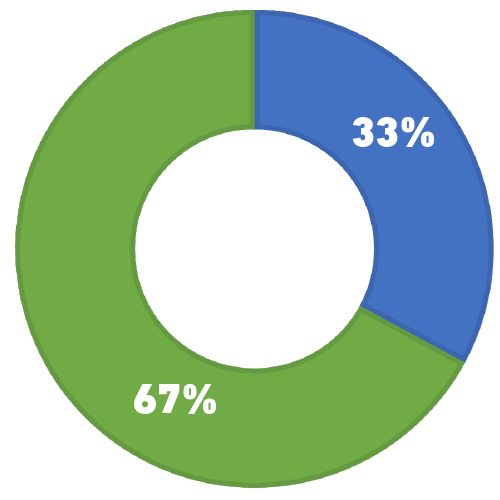
In 2024, more than two-thirds of the reported sites monitored were conducted voluntarily (Figure 2) and aerial-based monitoring technologies were used on over 48% of these sites. These concerted efforts to find, fix and prevent leaks have resulted in a significant reduction in the annual leak occurrence rate reported by TEP members. Participants reported a leak occurrence rate of just 0.02% for 2024, or less than one component leaking in 1,000. (Figure 3) TEP members also reported an estimated annual meantime to repair leaks of 10 days – a significantly lower number than the federal requirement to fix leaks within 30 days.
There are a variety of ways companies are working to identify emission leaks, and the right option can vary across sectors with different types of assets. But the key takeaway from TEP program reporting is that our participating companies are doing more – using more detection technologies, inspecting more sites and facilities, and conducting inspections more frequently – and when they find a leak, they are fixing them faster.
TEP LDAR PROGRAM ENHANCEMENT
|
NUMBER OF SITES MONITORED IN 2024
|
|
|
 |
|
|