Leak Detection and Repair Program
Participants implement robust leak detection and repair (LDAR) programs within their organizations to find and fix unintentional emissions from equipment as soon as possible.
Learn MoreCompressor Program
Through TEP’s Compressor Environmental Performance Program, participants focus on actions that reduce emissions from reciprocating and centrifugal compressors within oil and natural gas transmission operations.
Learn More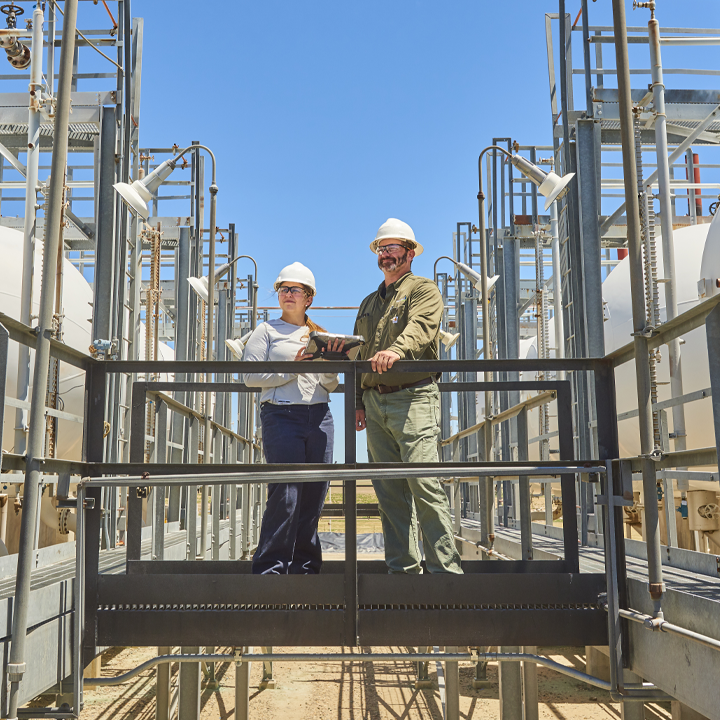
Pipeline Blowdown Program
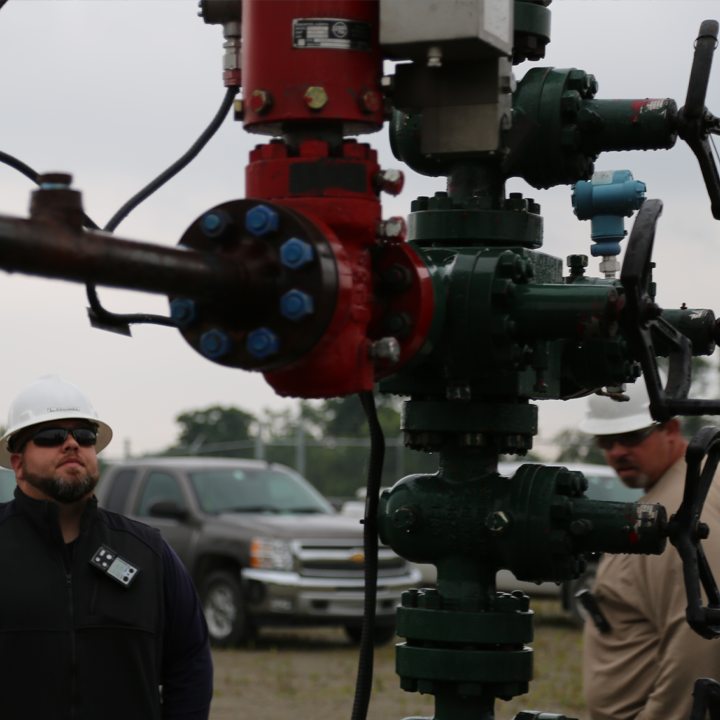
Through TEP’s Pipeline Blowdown Program, operators focus on best practices and techniques to reduce emissions during the pipeline blowdown process along pipelines between compressor stations
Learn MoreFlare Management Program
Participating companies advance best practices that reduce flare volumes, promote the beneficial use of associated gas, improve flare reliability and efficiency when flaring does occur, and collect valuable data to calculate flare intensity as the key metric to gauge progress from year to year.
Learn More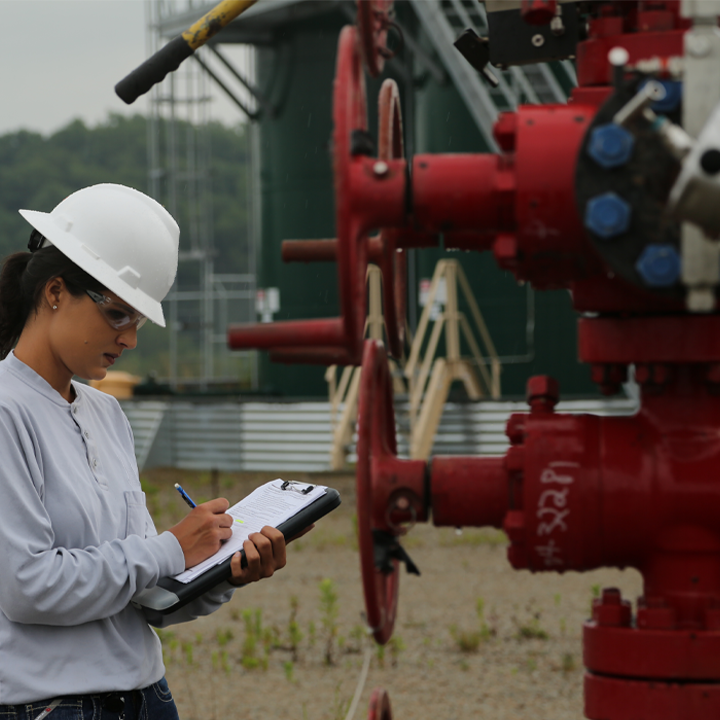
Energy Efficiencies in Operations Program
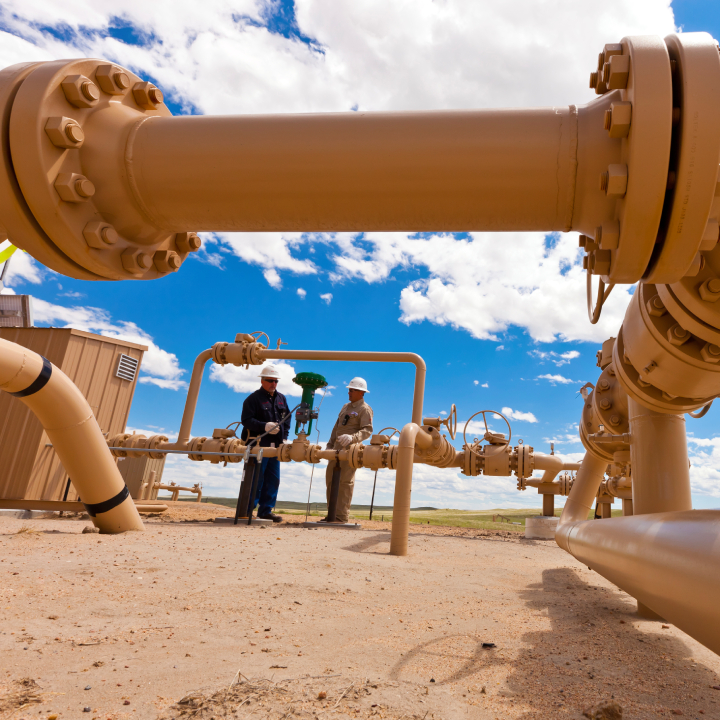
Participating companies implement best practices that reduce energy consumption needed to move oil and natural gas from the wellhead through the transportation infrastructure.
Learn MoreMaintenance & Integrity Program
Participants implement best practices that improve integrity and maintenance programs to reduce emissions and product releases to the environment
Learn More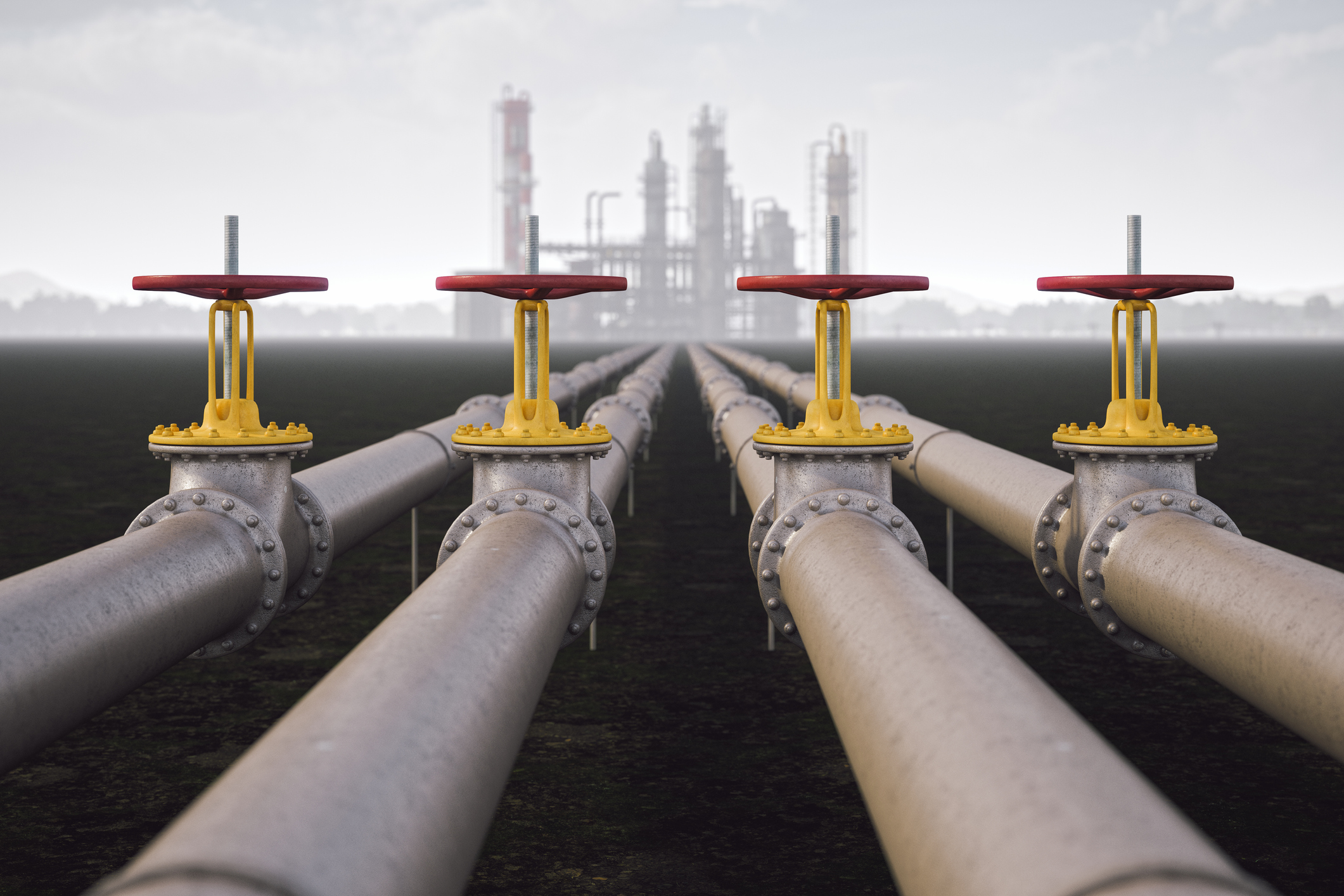
Inactive Methane Programs
Pneumatic Controller Program
Participating companies replace, remove or retrofit onshore gas-powered, continuous, high-bleed pneumatic controllers with low- or zero-emitting devices.
Learn MoreManual Liquids Unloading Program
Companies implement an industry best practice that minimizes emissions by monitoring the removal of liquids that, as a natural gas well ages, can build up and restrict gas flow.
Learn More