
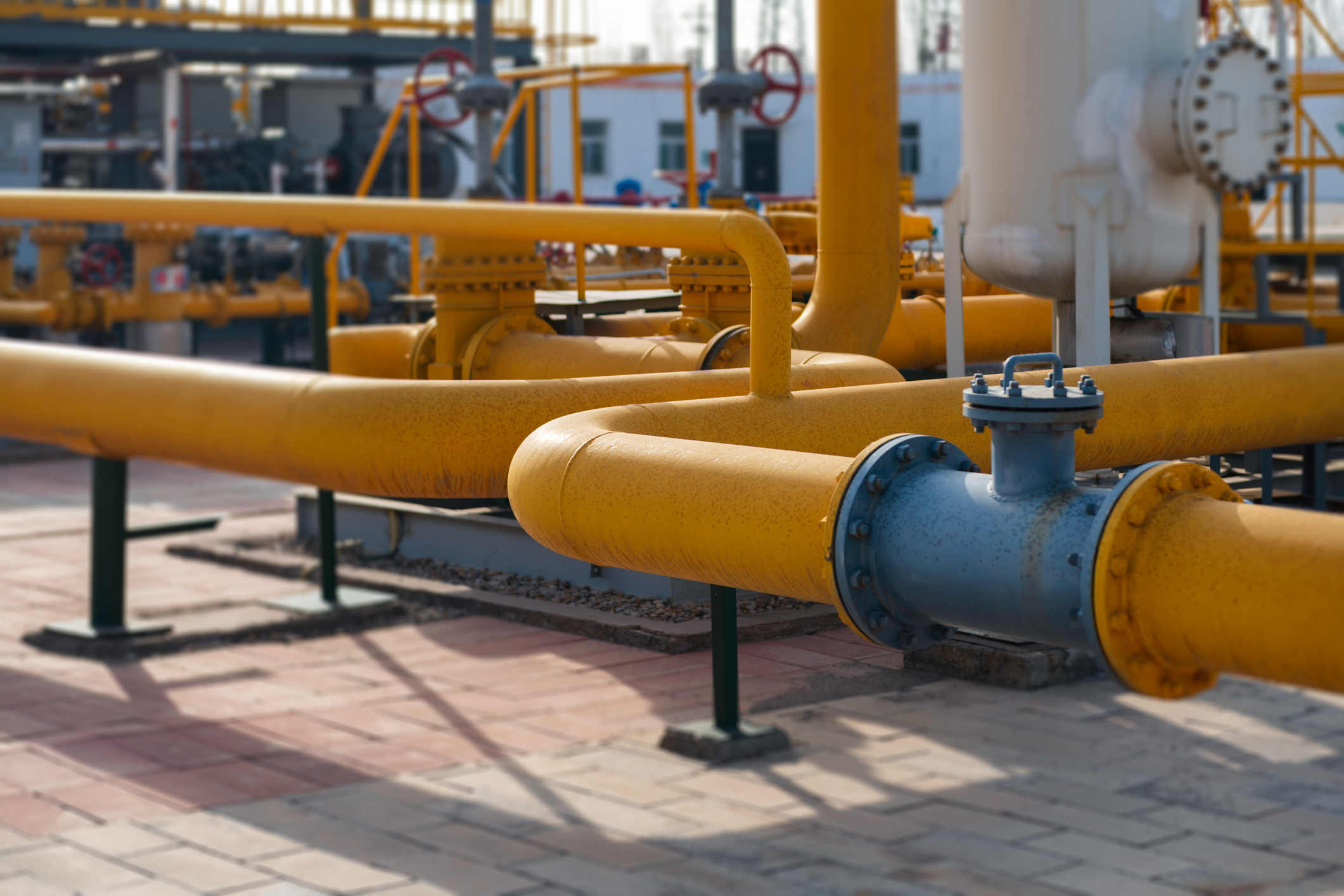
Reducing Emissions from Pipeline Blowdown Operations
A pipeline blowdown is the controlled release and depressurization of natural gas or liquids from a closed pipeline or station section. Operators perform blowdowns to ensure safety before conducting routine maintenance, inspections, repairs, or emergency responses.
Participating companies implement emission reduction and minimization practices during pipeline blowdown operations, such as routing gas to a compressor or capture system for beneficial use, routing gas to low-pressure system, reducing pipeline pressure to the extent possible before blowdown, utilizing hot tapping, or other technologies or practices to reduce emissions.
MINIMIZING EMISSIONS THROUGH ACTION
2025 PERFORMANCE HIGHLIGHTS
-
-
- Emissions Reduction Practices implemented during more than 6,600 pipeline blowdowns
-
2020-2025 Pipeline Blowdown Program
-
-
- Emissions reduction practices implemented during more than 33,000 pipeline blowdowns
-
About The Program
| Program Specific | |
|
Target |
Company will determine the onshore natural gas pipelines between compressor stations within gathering and boosting, transmission and storage segments that are included in the program. Program does not apply where there is any safety concern. |
| Method |
Company will strive to implement one or more of the emission reduction/minimization practices during pipeline blowdowns:
|
|
Timeline |
Individual company commitment |