The Environmental Partnership Launches New Program to Reduce Flaring
Participants in The Environmental Partnership’s new flare management program reported a 50% reduction in flare volumes from 2019 to 2020 even as their oil and natural gas production remained consistent. The flare management program, The Partnership’s latest environmental performance program, expands on the initiative’s core mission to share information on best practices, advance new and proven technologies, foster collaboration to reduce emissions, and collect data to assist efforts to minimize flaring.
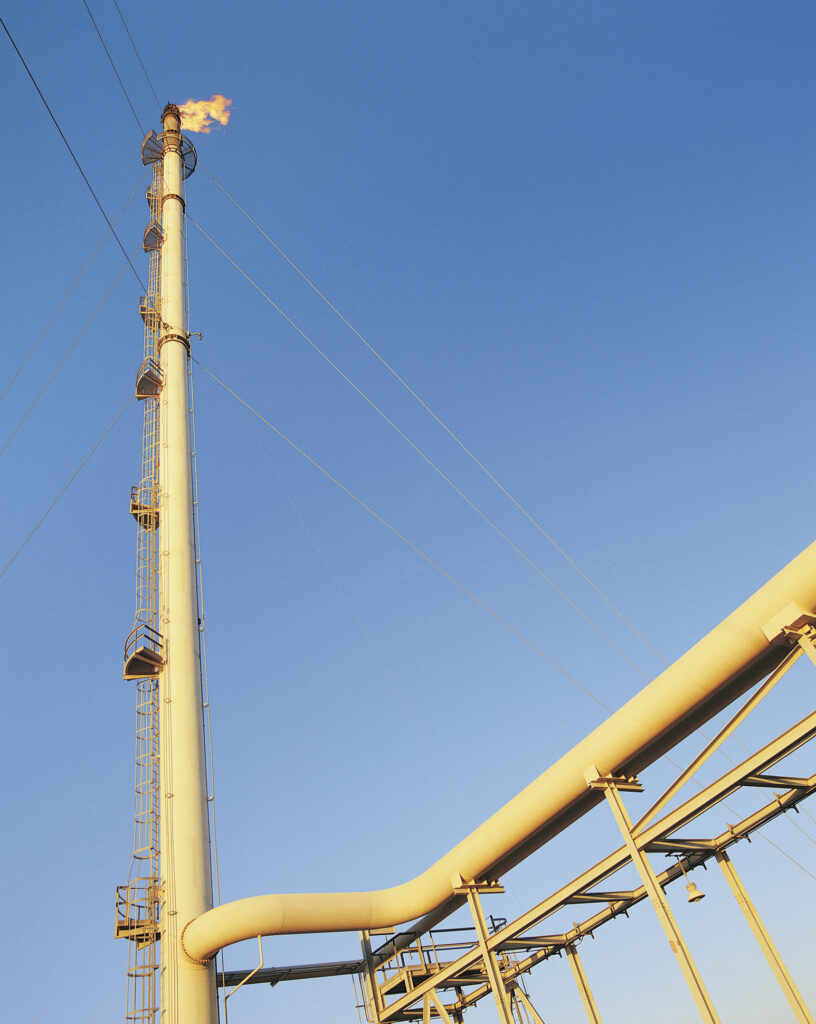
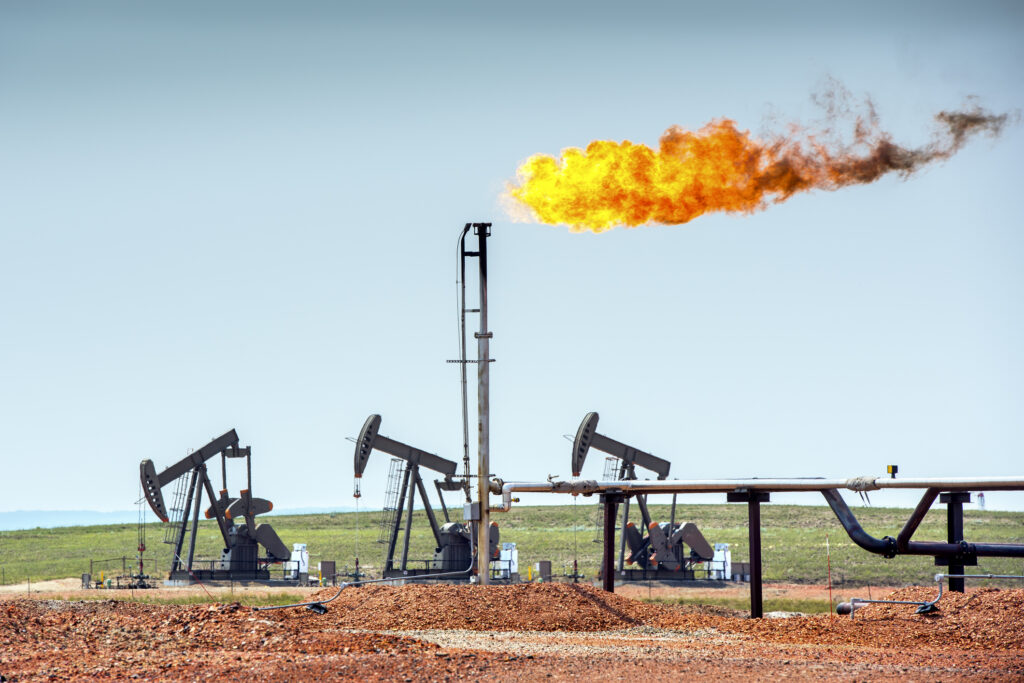
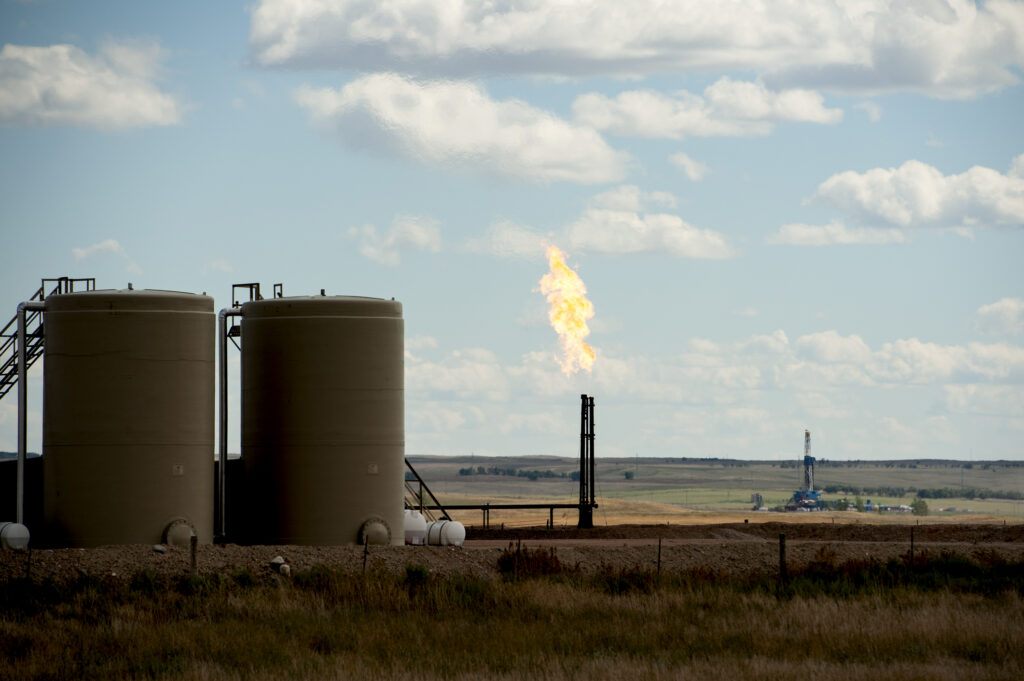
As part of the new program, companies are advancing best practices to reduce flare volumes, promote the beneficial use of associated gas, and improve flare reliability and efficiency when flaring is necessary. Typically, flaring is used when there is a lack of gas gathering lines or processing capacity, during facility or gathering maintenance, or during unplanned events for safety measures to alleviate pressure. In these instances, flaring is the better environmental option. Rather than venting the gas into the air, flaring burns the gas, which releases fewer greenhouse gases than venting.
To gauge progress, participants in the flare management program have committed to report data to calculate flare intensity, a measurement of flare volumes relative to production. To capture ongoing flaring trends and reduction efforts, companies have reported data from both 2019 and 2020.