Promoting Flare Efficiency Practices
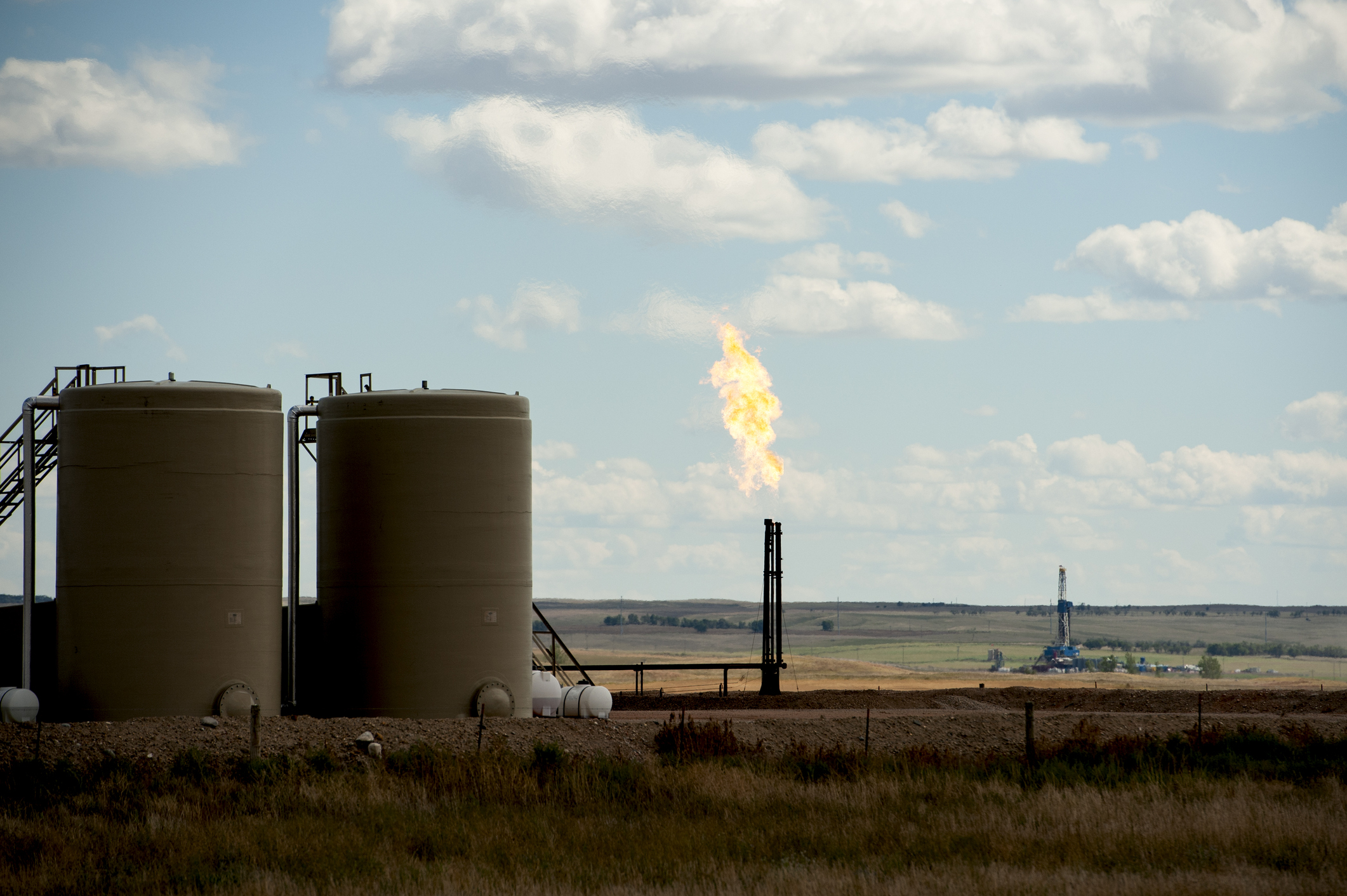
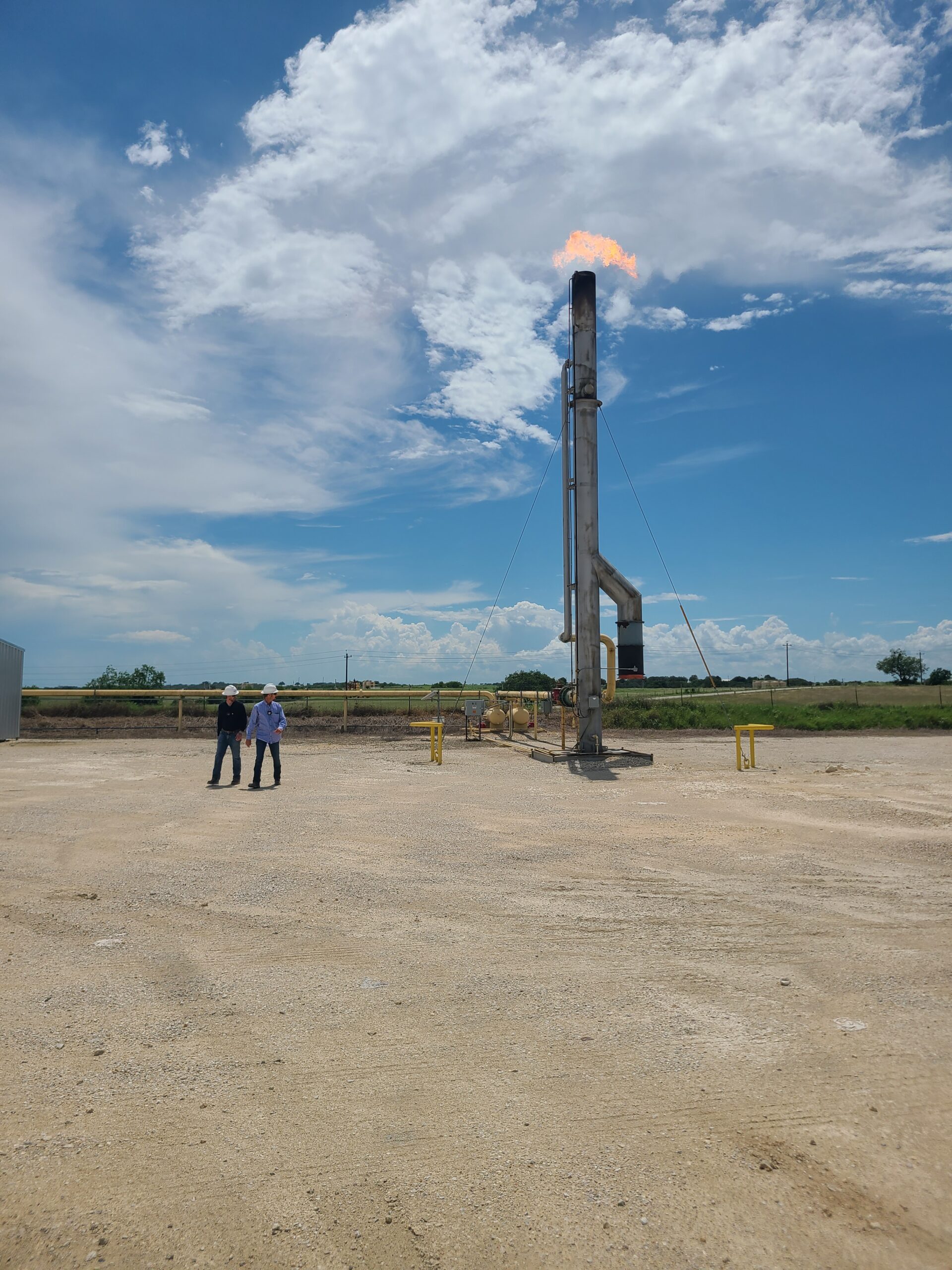
The Partnership conducted a study to better understand and promote flare efficiency and reliability best practices for times when flaring is necessary. The study focused on flare destruction and removal efficiency (DRE) to better understand what DRE can be achieved and what factors might affect DRE. It involved four weeks of testing in three basins (Eagle Ford, Permian, and Bakken), coordinating with 11 operator partners and evaluating over 180 flares from 13 manufacturers. Enclosed combustion devices were not included in this study.
Learn More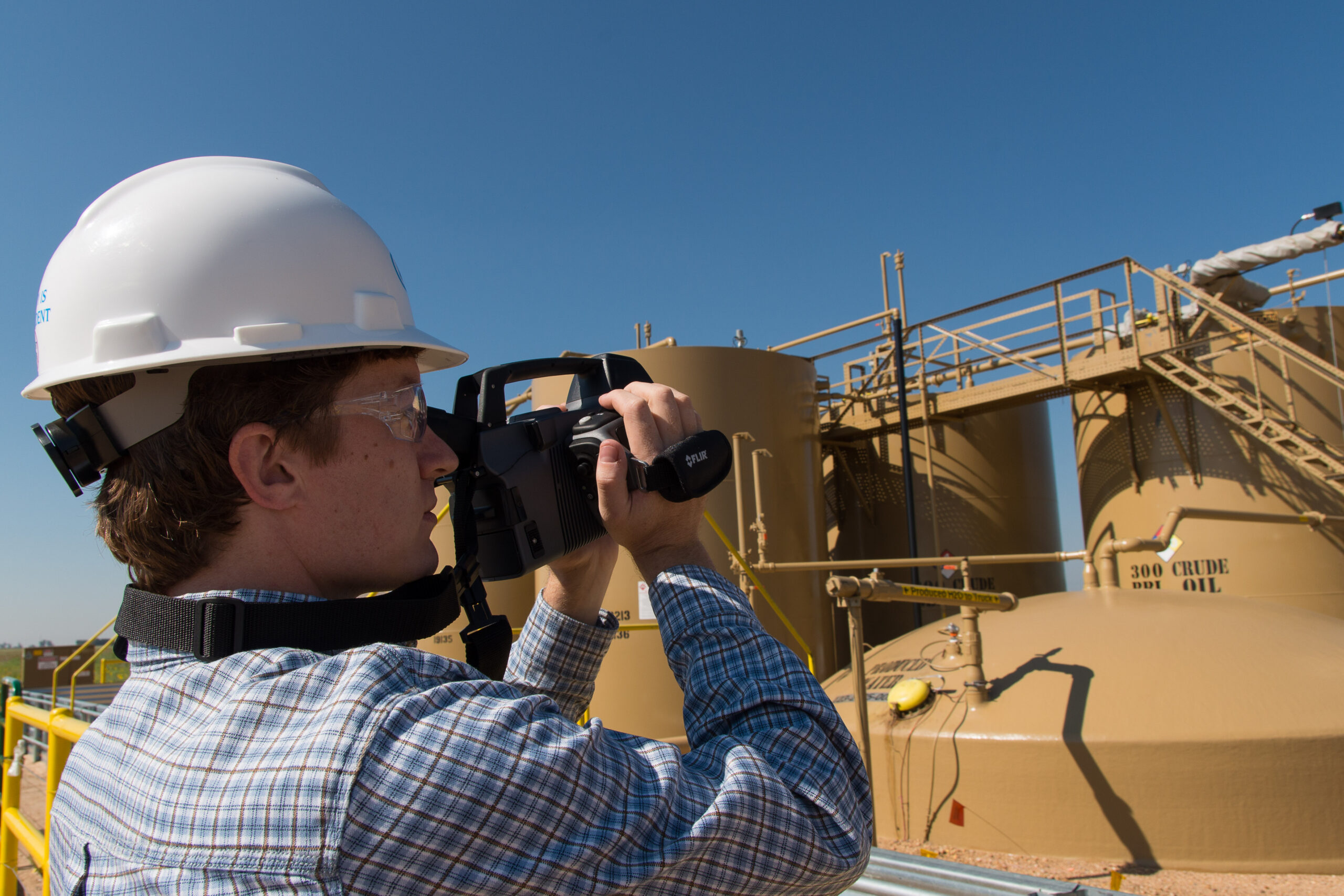
Advancing Emissions Detection and Monitoring Practices
Participants have worked hard to implement robust leak detection and repair (LDAR) programs within their organizations to find and fix unintentional emissions from equipment as soon as possible. In 2025, TEP redesigned its LDAR Environmental Performance Program to better align with current industry practices and fully capture the advancements companies have made to detect, monitor, and prevent leaks from occurring within their operations.
Learn MoreExpanding Compressor Knowledge through Collective Data Analysis
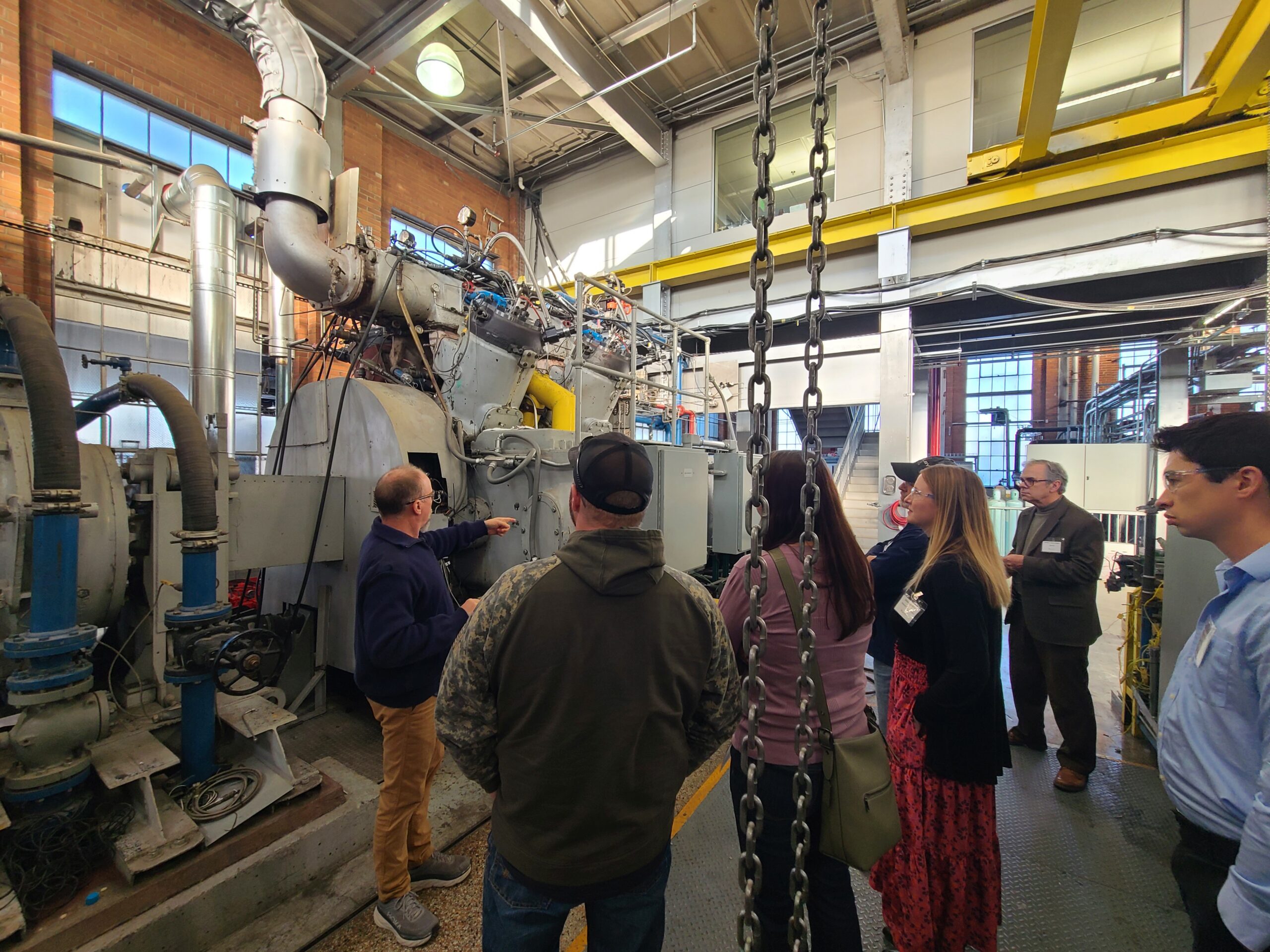
TEP companies continue to work together towards step change-type actions and solutions to reduce emissions from compressors – particularly, compressor engine slip emissions. TEP conducted a compressor engine survey to analyze engine stack testing data provided by TEP operators.
Learn More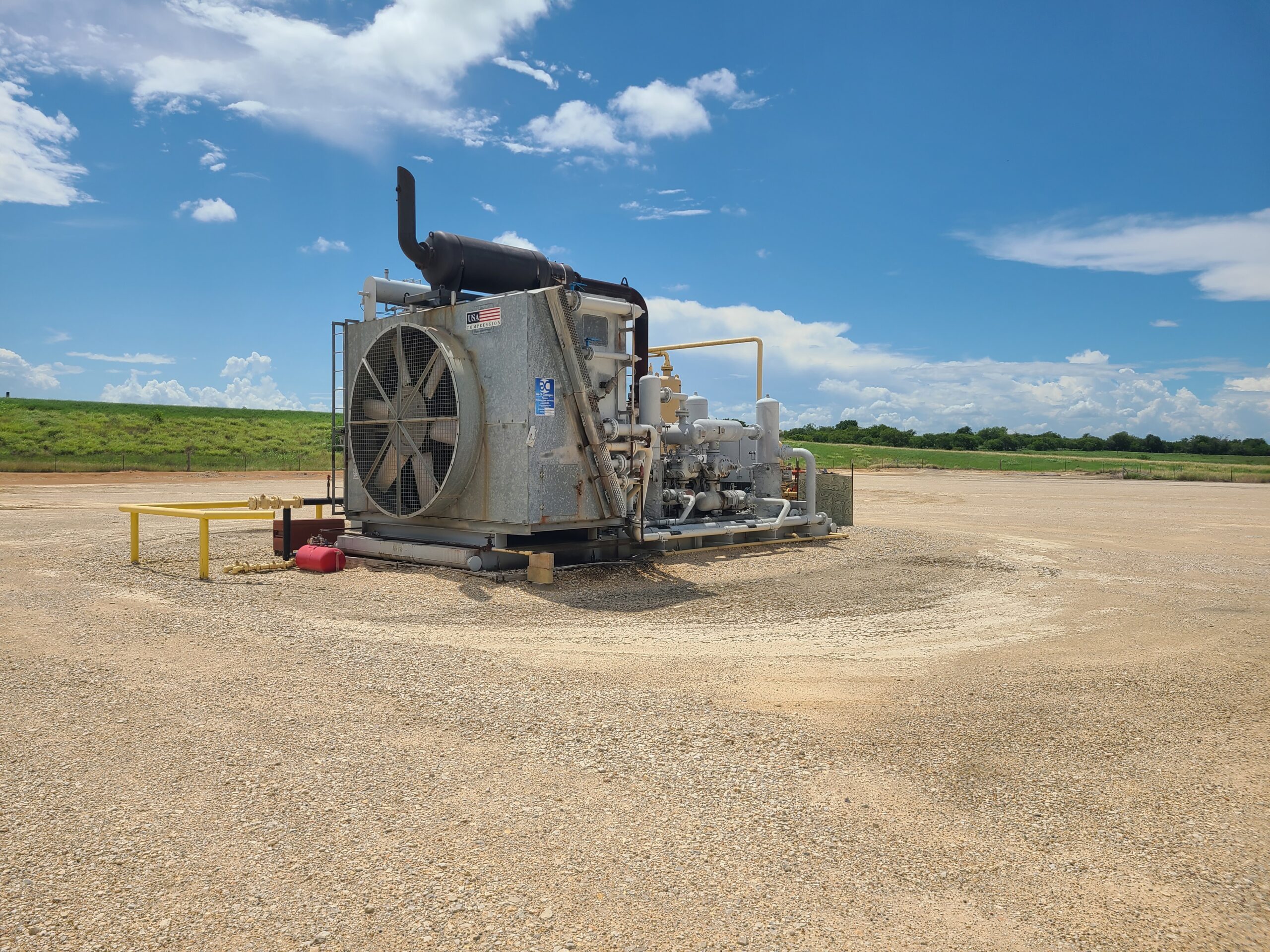
Leveraging Operational Parameters to Identify and Predict Emission Events
In 2024, The Partnership organized an effort to develop a performance practice on the use of operational parameters data and other operational information to predict, prevent, and report emissions sources more accurately. TEP focused its project on the sources of emissions that are typically higher – namely tanks, flares and compressors.
Learn More
Detecting Emissions Using Flyover Technology
: Companies regularly leverage flyover technology as part of their commitment to identifying and reducing methane emissions. TEP companies participated in flyovers in eight basins (Permian, DJ, Bakken, Marcellus, Anadarko, Eagleford, Haynesville and Powder River) and surveyed nearly 10,000 sites to gain a deeper understanding of emissions across their assets.
Learn More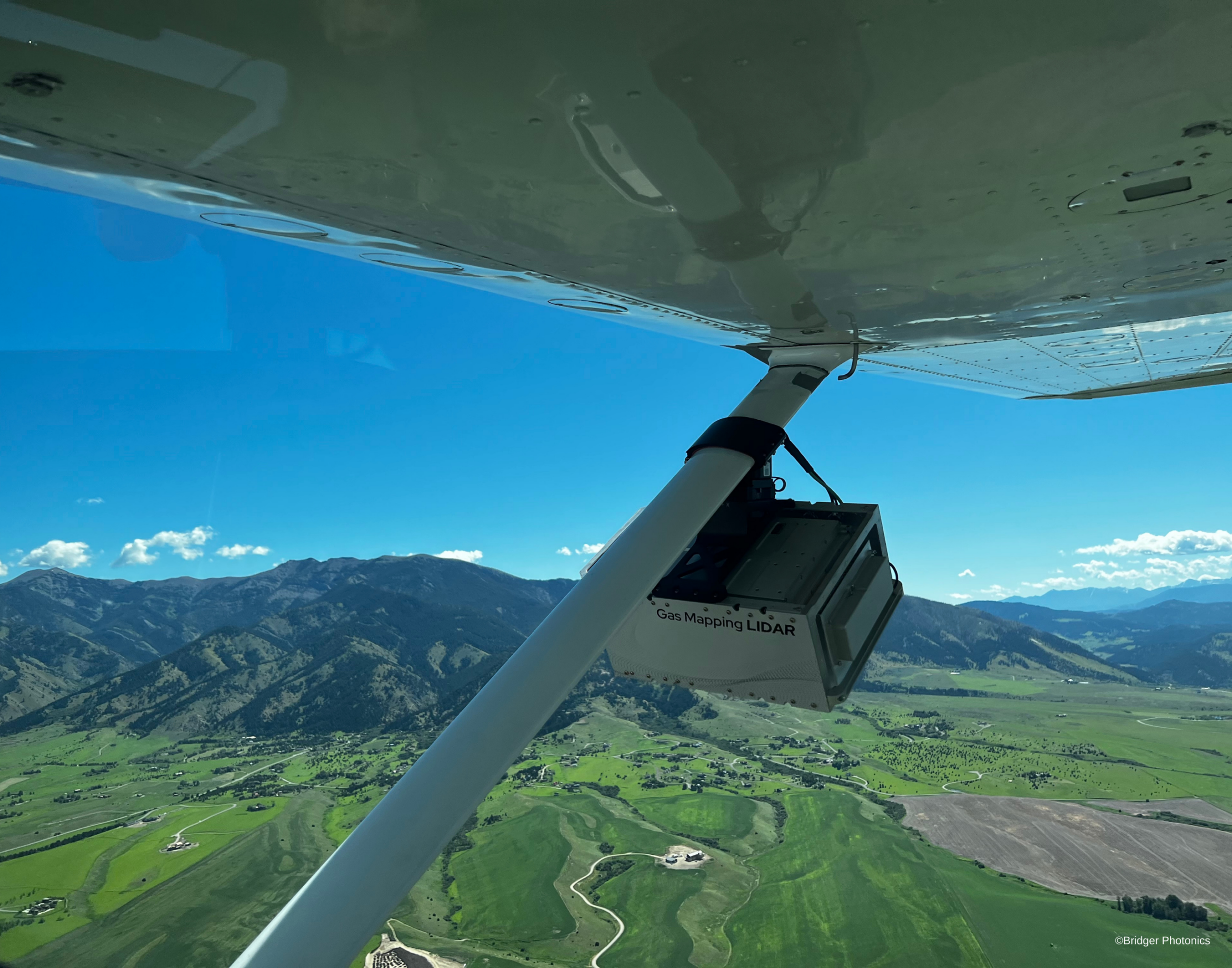
Tackling Emissions Sources
The Partnership – in collaboration with Colorado State University (CSU) and Bridger Photonics – organized a field analysis in Fall 2022 with 10 participating companies in the Bakken and Permian basins to validate and better understand the emission sources of methane from compressors and their drivers.
Learn More
Program Expansion: Liquid Pipelines
The Environmental Partnership is expanding its core mission to reduce emissions across the industry with the launch of two new liquid pipeline programs. Midstream liquid pipeline companies are an integral part of the supply chain, responsible for moving oil and natural gas from the wellhead through the transportation infrastructure necessary to get fuels and feedstocks to market.
Learn More
Focus On Flaring - The Environmental Partnership Launches New Program to Reduce Flaring
The flare management program, The Partnership’s latest environmental performance program, expands on the initiative’s core mission to share information on best practices, advance new and proven technologies, foster collaboration to reduce emissions, and collect data to assist efforts to minimize flaring.
Learn More