2018 – 2025 Leak Detection and Repair Program
- More than 2.6 billion component inspections performed
- More than 4 million surveys conducted
- Over 87% reduction in leaks detected
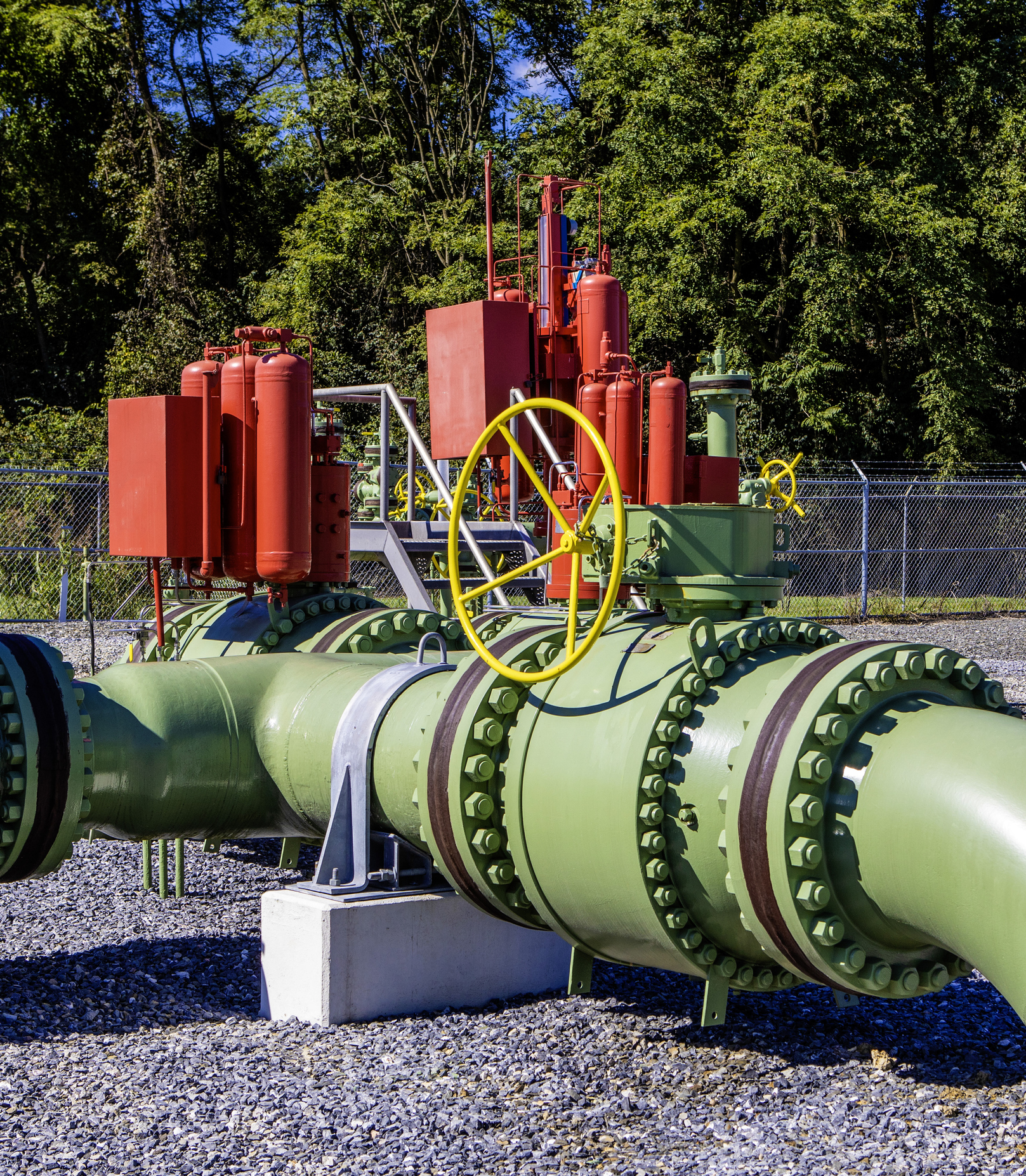
2020 – 2025 Pipeline Blowdown Program
- Emissions reduction practices implemented during more than 33,000 pipeline blowdowns
2020 – 2025 Compressor Program
-
Rod packing changes on more than 21,550 reciprocating compressors
-
Approved emissions reduction practices utilized on more than 5,100 compressors
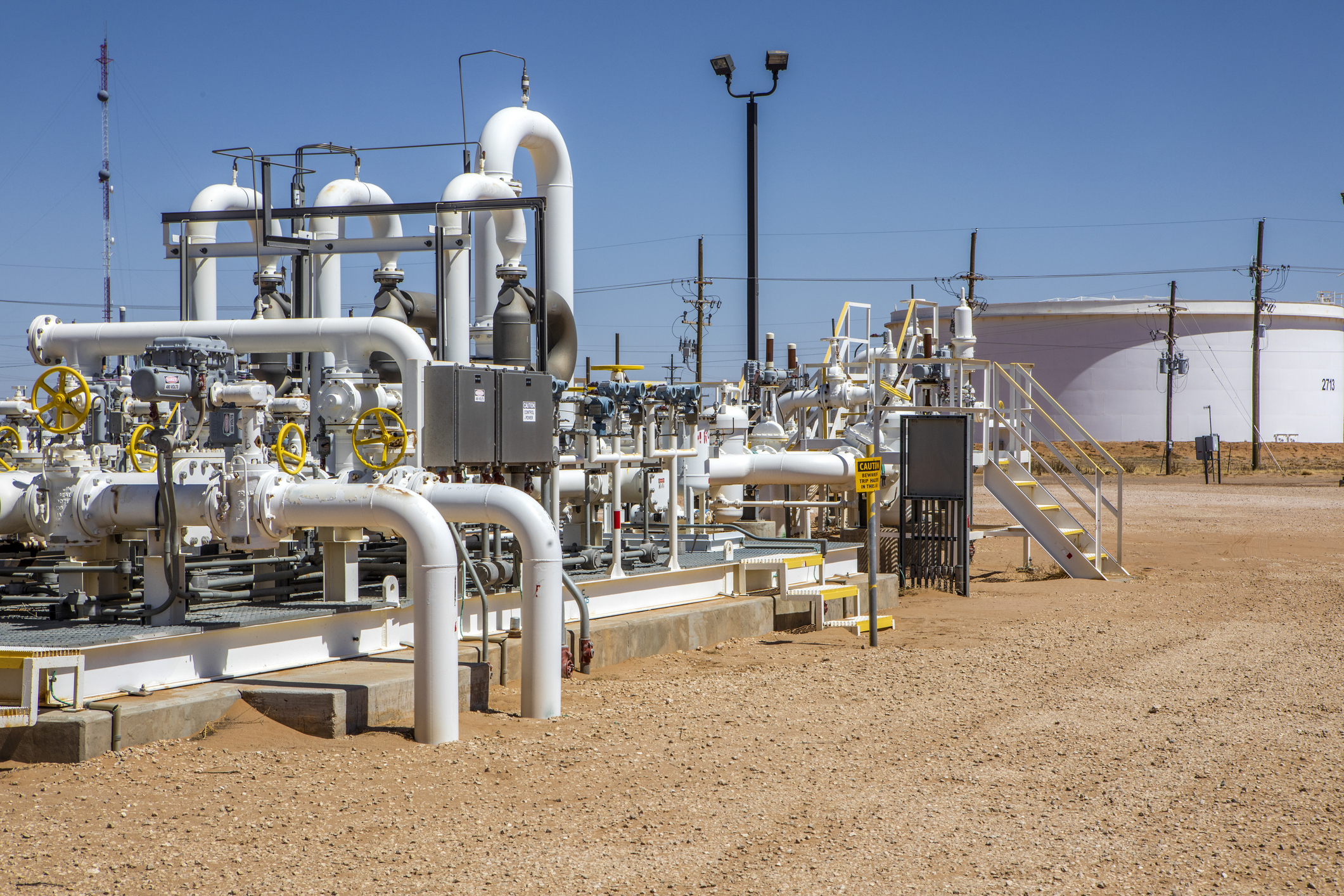
2018-2023 Pneumatic Controller Program
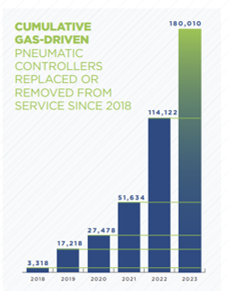
- More than 180,000 gas driven controllers replaced or removed from service
- Nearly 21,000 zero-emission pneumatic controllers installed at new sites
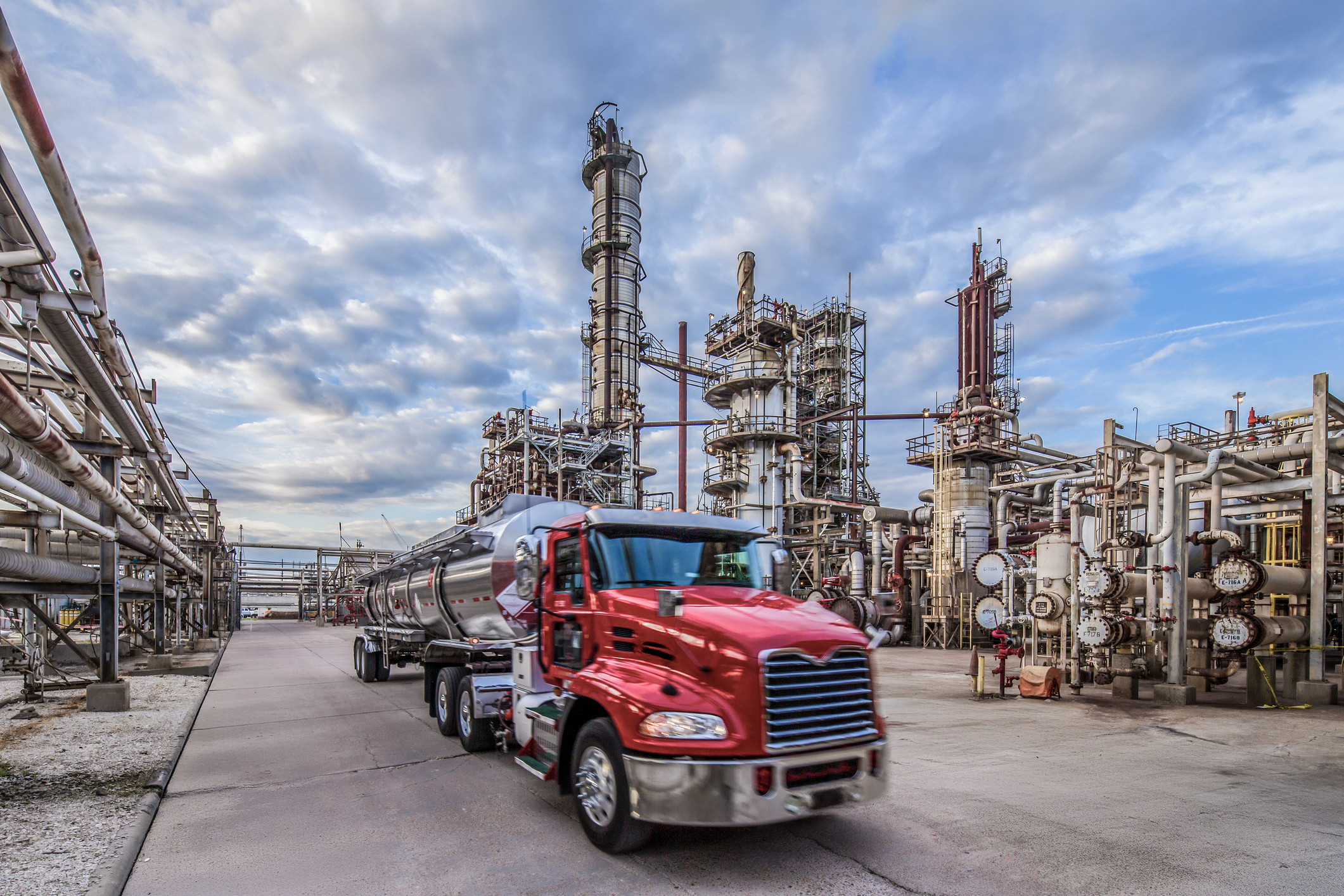
2018–2023 Manual Liquids Unloading Program
-
Monitored more than 308,000 manual liquids unloading events
Advancing
Emissions Detection and Monitoring Practices
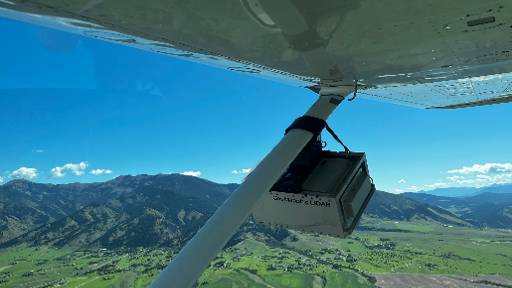
TEP companies are doing more – using more detection technologies, inspecting more sites and facilities, and conducting inspections more frequently – and when they find a leak, they are fixing them faster. In 2025, companies reported a leak occurrence rate of just 0.02%, or less than one component leaking in 1,000. And since 2018, this leak occurrence rate has decreased by more than 87%.
Promoting
Flare Reduction and Efficiency Practices
Participating companies have made significant progress towards managing flare volumes, reducing their reported flare volumes by more than 78% since 2019, even as oil and natural gas production has increased.
Replacing
Pneumatic Controllers
Between 2018 to 2023, The Environmental Partnership’s participants removed or replaced more than 180,000 gas-driven pneumatics, resulting in the permanent reduction of an estimated 355,421 metric tonnes of methane emissions per year released into the atmosphere based on EPA’s mandatory emissions reporting requirements in place in 2023.